
In today’s rapidly evolving healthcare landscape, dental practices are discovering that innovation isn’t just a buzzword—it’s a business imperative. Patients increasingly expect more than just competent care; they want outcomes that are predictable, efficient, and tailored to their needs. This shift in patient demand means that dental practices leveraging advanced technologies are not only improving clinical results but also driving significant business growth.
Digital dentistry encompasses a suite of cutting-edge tools and workflows that streamline every stage of the patient journey. Early adopters of digital tools report improvements in patient satisfaction, higher case acceptance rates, increased operational efficiency, and stronger financial performance. At the heart of this transformation is the realization that modern dental patients are digitally savvy—they research options online, compare practices, and expect transparency and visualization in their care. Practices that can deliver predictive visual outcomes gain a distinct competitive edge.
The Patient Expectation Shift
From enhanced diagnostics to personalized treatment planning, digital dentistry is transforming how practices operate and compete. Among the most impactful advancements is data-driven aesthetics powered by digital smile design, a technology that allows clinicians to create visual treatment previews that align with patient expectations before treatment even begins.
Traditional dental consultations often relied on verbal explanations and two-dimensional images to communicate treatment plans. While effective to some extent, these methods left room for guesswork. Patients frequently struggled to visualize the final outcome, which could lead to hesitation in committing to comprehensive treatment plans. Digital dentistry tools, however, provide interactive and dynamic visualizations that bring outcomes to life.
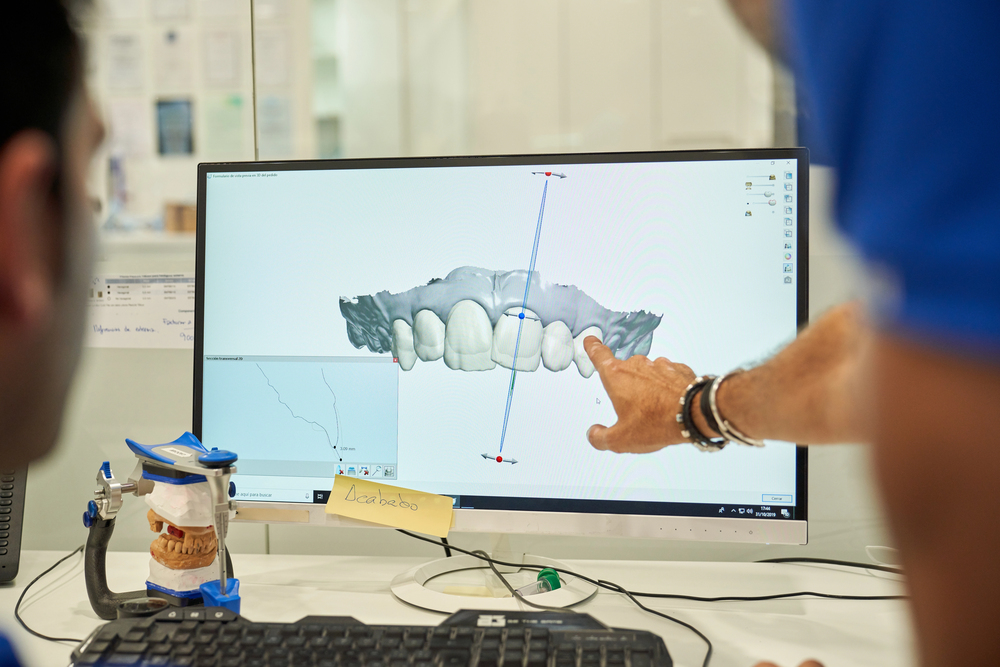
For example, digital smile design tools integrate facial analysis, dental proportions, and aesthetic principles to craft a digital preview of a patient’s potential smile. By involving patients in a co-creative process where they can see and interact with projected results, practices significantly improve engagement and trust. This approach aligns patient expectations with clinical proposals, reduces uncertainty, and increases uptake of elective and aesthetic procedures. Practices investing in these technologies often see a natural rise in case acceptance as patients feel more informed and confident in their decisions.
Efficiency Through Digital Workflows
Beyond aesthetics and visualization, digital dentistry drives efficiency in clinical workflows. Intraoral scanners, digital radiography, and computer-aided design/computer-aided manufacturing (CAD/CAM) systems reduce the time required for diagnosis, planning, and prosthetic fabrication. Traditional methods often involve physical impressions, manual model creation, and multiple patient visits. Digital workflows shorten treatment timelines, reduce discomfort, and maintain a high standard of accuracy.
Digital impressions eliminate errors caused by material distortion or patient movement, resulting in better-fitting restorations and fewer remakes. Faster turnaround times mean patients spend less time in the chair, and practices can optimize scheduling and throughput. These improvements resonate with patients who value convenience and dental teams benefiting from reduced administrative burdens.
Enhancing Communication and Collaboration
Digital dentistry also improves communication with patients and other members of the dental team. Three-dimensional scans, virtual simulations, and digital treatment plans can be shared instantly with specialists, labs, and referring doctors, facilitating seamless collaboration. This enhances care quality and builds a reputation for professionalism and precision.
Patient communication benefits from digital visual aids as well. Dentists can walk patients through a 3D model of their own anatomy, point out areas of concern, and illustrate how treatments will address them. This approach fosters understanding, reduces anxiety, and makes informed consent a more meaningful process.
Data-Driven Decision Making
Digital dentistry platforms generate extensive data—from intraoral scans to treatment outcomes. Practices harnessing this data can identify patterns, measure clinical performance, and fine-tune operations. Tracking outcomes over time helps refine protocols, while analyzing appointment flow highlights bottlenecks slowing productivity.
Incorporating data analytics into practice management supports strategic business planning. Practices can monitor trends, assess the ROI of new technologies, and forecast demand for services. Such insight was far more difficult to achieve in analog practice models, where data existed in silos or not at all.
Marketing and Competitive Differentiation
Modern patients search for dental services online before making contact. Practices showcasing digital capabilities and outcomes—through before-and-after galleries, patient testimonials, or educational content—are more likely to attract attention and convert leads. Highlighting technologies such as digital smile design signals to prospective patients that a practice is forward-thinking and patient-centric.
Moreover, digital workflows often result in faster appointments and predictable results, naturally leading to positive reviews and referrals. Word of mouth remains a powerful driver of new patient acquisition, and when amplified by an online presence and patient experience, growth accelerates.
The Future of Practice Growth
The trajectory of digital dentistry suggests that adoption will deepen as technology becomes more accessible and expectations continue to rise. Practices embracing digital transformation today position themselves to lead in the marketplace tomorrow. From enhanced patient communication to optimized clinical outcomes, technology proves to be the ultimate growth driver in dental business.
Investing in solutions such as digital simulation, scans and shade-matching algorithms uplifts clinical precision and empowers patients to make confident decisions about their oral health and aesthetic goals. By embracing these innovations, dental practices unlock efficiencies, elevate care quality, and build stronger, more profitable operations that resonate with today’s digitally informed patients.