
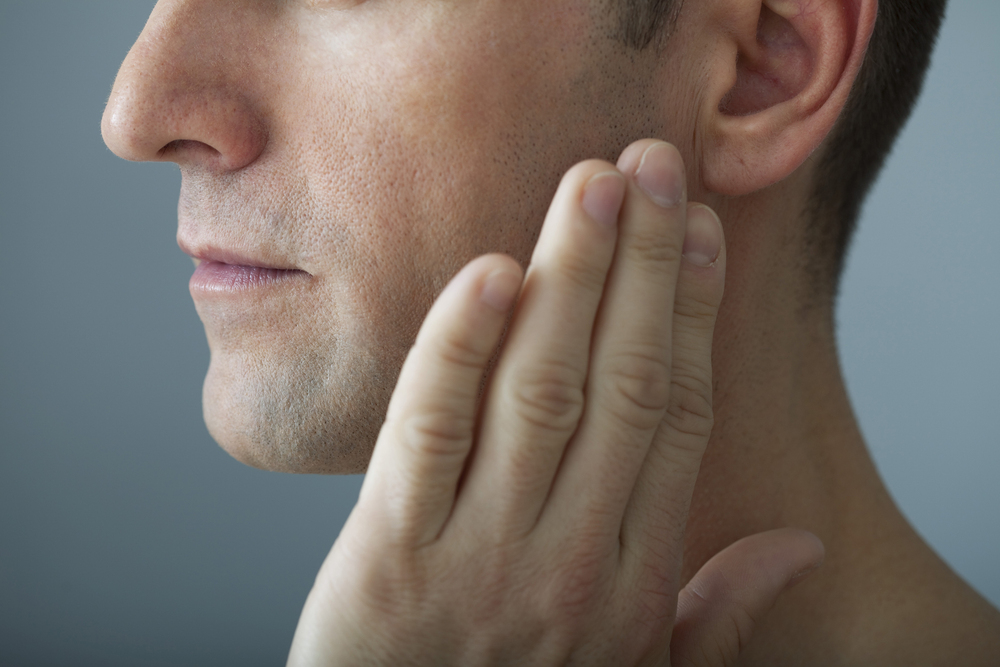
For many, the first sign of a problem is a faint clicking or popping sound while chewing or yawning. While it might seem like a minor annoyance, these audible signals from the jaw joint often point to a more complex underlying issue known as Temporomandibular Joint (TMJ) disorder. Achieving total oral health requires looking beyond the teeth and gums to understand how the alignment and function of the jaw influence the entire body’s wellbeing.
Understanding the Mechanics of the Jaw
The temporomandibular joint acts as a sliding hinge, connecting your jawbone to your skull. It is one of the most complex joints in the body, responsible for the intricate movements required for speaking, swallowing, and eating. When this system is out of alignment, the resulting strain can lead to chronic facial pain, restricted movement, and even persistent headaches.
Expert solutions for relief begin with a comprehensive assessment of the bite. Modern neuromuscular dentistry focuses on finding the optimal physiological position for the jaw. By using advanced diagnostic tools to track jaw movement and muscle activity, practitioners can identify where the imbalance lies and develop a strategy to restore harmony to the facial structure.
The Connection Between Tension and Discomfort
While physical misalignment is a primary driver of jaw pain, the role of the nervous system cannot be ignored. Lifestyle factors often manifest physically in the form of bruxism, or teeth grinding, which puts immense pressure on the joint. Clinical observations have shown a significant link between stress and TMJ disorder management outcomes, suggesting that a holistic approach is necessary for long-term recovery.
Managing the condition effectively often involves a combination of physical interventions and behavioral changes. Custom-fitted occlusal splints or night guards are frequently used to cushion the teeth and decompress the joint during sleep. When these are paired with stress-reduction techniques and physical therapy, the success rate for reducing inflammation and preventing further joint degeneration increases substantially.
Modern Interventions for Long-Term Relief
When conservative methods are insufficient, dental experts may look toward restorative treatments to correct the bite permanently. This can include orthodontic work to realign the teeth or the application of crowns to change the way the upper and lower jaws meet. The goal is to ensure that the muscles and joints are at rest when the mouth is closed, preventing the chronic strain that leads to “the click.”
In some instances, trigger point injections or low-level laser therapy are employed to provide immediate relief from muscle spasms. These treatments help to “reset” the neuromuscular pathways, allowing the patient to engage in jaw exercises that strengthen the supporting tissues without the interference of acute pain.
Why Holistic Monitoring Matters
Total oral health is not a static state but an ongoing process of monitoring how various systems interact. A misaligned jaw can lead to uneven wear on the teeth, which in turn makes them more susceptible to fractures and decay. Furthermore, the inflammation associated with joint disorders can have systemic effects, potentially contributing to broader health challenges.
It is essential to recognise that your oral health is the gateway to your general physical state. Ignoring persistent symptoms can lead to a cascade of issues that extend far beyond the mouth. Understanding how jaw issues impact your health is the first step toward seeking professional intervention. By addressing these concerns early, you can enjoy a life free from chronic discomfort and maintain the structural integrity of your smile for years to come.